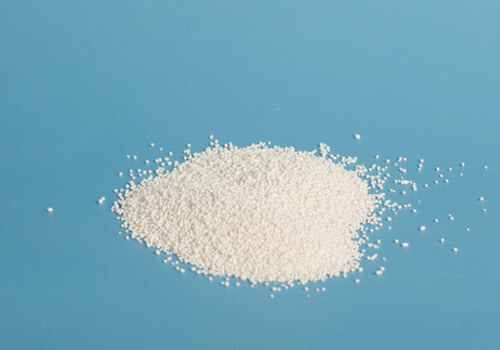
Global Market Trend and Export Supply Status of Sodium Dichloroisocyanurate

Sodium dichloroisocyanurate draws attention every year as cleaning and disinfection routines evolve around the globe. In our facility, we watch order books fill and empty with the cycles of public health news and weather events. Years with heavy rains or unexpected waterborne outbreaks often trigger a surge in demand from municipal water treatment, as purifying agents make their way into pipes and...

Read More
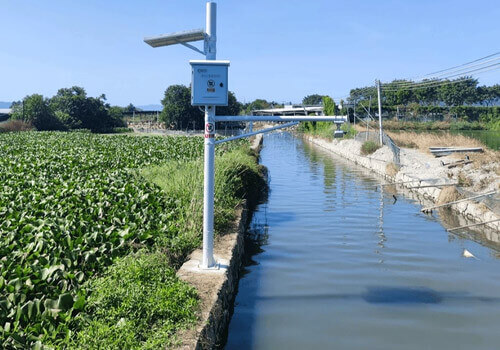
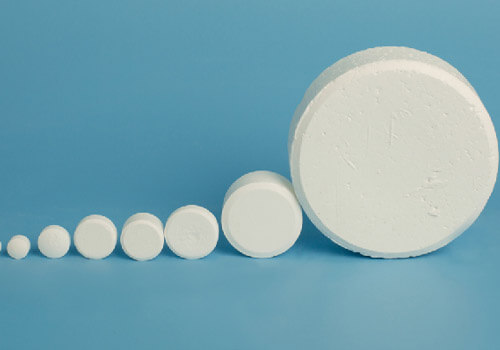
Disinfection Standards and Dosing Skills of Sodium Dichloroisocyanurate for Public Water Areas

Every public pool, spa, and water feature carries its fair share of invisible risks. As a manufacturer who’s handled sodium dichloroisocyanurate daily, I’ve seen how public health hinges on standards that make sense and meet local realities. Water carries all sorts of unwanted guests—bacteria, viruses, even fungi—especially in open, high-traffic areas like pools and fountains. Chlorine-rel...

Read More

Performance Advantage Comparison Between Trichloroisocyanuric Acid and Conventional Disinfectants

Many customers and industries have used sodium hypochlorite or calcium hypochlorite for decades. These products have kept swimming pools clear, supermarket shelves stocked, and hospitals or farms supplied. With roots in our own manufacturing lines, we have felt the daily pressure these older solutions place on users and handlers. Drum after drum of liquid bleach often arrives with more logistical ...

Read More

Usage and Dosage of Trichloroisocyanuric Acid in Aquaculture Water Bacteriostasis and Purification

Standing in our plant, where the scent of chlorine is part of every workday, we watch fish farming practices adapt to a changing world. Aquaculture has come to rely on simple, robust water treatment methods. Trichloroisocyanuric acid, better known as TCCA, sits among the most widely used agents for disinfection and bacterial control, thanks to its high chlorine content, stability, and ease of tran...

Read More