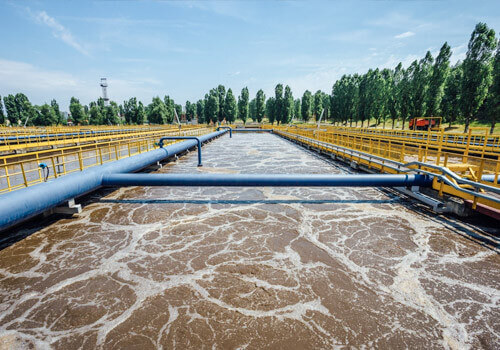
Detailed Solution of Sodium Hypochlorite for Bacteriostasis and Anticorrosion in Industrial Circulating Water

Day in, day out, raw water feeds into industrial cooling towers and closed loops all over the world. Along with the heat and pressure, microbes hitch a ride—algae, bacteria, and fungi—ready to colonize every nook and cranny. Once established, these organisms trigger pipe blockages, biofilm mats, heat transfer losses, and sometimes even pitting corrosion. More years managing filtration systems ...

Read More
Application Differences Between Food Grade and Industrial Grade Sodium Hypochlorite

We work every day with sodium hypochlorite, producing thousands of tons each month for clients with vastly different goals. Each customer tells a unique story, but nothing separates our batches more than the line between food grade and industrial grade. The distinction isn’t about price or packaging; it’s about how strictly we control our raw materials, our process, and what goes in or stays o...

Read More

Storage & Transportation Specifications and Anti-corrosion Operation Guidelines of Sodium Hypochlorite

Sodium hypochlorite production does more than fill drums and tanks—it introduces a daily test of how well we understand chemical behavior and material science. Over years in this field, recurring problems show up where complacency takes hold, often at the points where human habits intersect with the tough realities of corrosion. This compound leaves little room for error in storage and transport...

Read More

Proportion and Application Method of Sodium Hypochlorite for Emergency Disinfection of Swimming Pool Water

Every summer, pool operators call our technical line with the same concern: an unexpected contamination event has just closed the pool. Whether it’s an accidental fecal release, a sudden spike in microbial counts after a thunderstorm, or a minor outbreak of cryptosporidium, the pressure to restore safe swimming conditions builds fast. From our bench in the production plant to hundreds of visits ...

Read More